X-AI Grok Imagine Video generates videos from text descriptions using xAI's Grok Imagine Video model. Create high-quality videos with customizable duration, aspect ratio, and resolution. Ready-to-use REST inference API, best performance, no coldstarts, affordable pricing.
Idle
$0.05per run·~20 / $1
ExamplesView all
Handheld camera footage, news report style. A reporter standing in Times Square during a heavy snowstorm. People in the background are rushing by with umbrellas. The camera shakes slightly as the wind blows snow into the lens. Raw footage aesthetic, high noise, realistic skin texture, muted colors.
Cinematic wide shot. A busy hipster coffee shop located on the surface of Mars. Through the large glass windows, we see the red dusty landscape and Earth in the sky. Inside, a robot barista is arguing with an alien customer about the foam on a cappuccino. Hyper-realistic textures, humorous atmosphere, Wes Anderson color palette.
Related Models

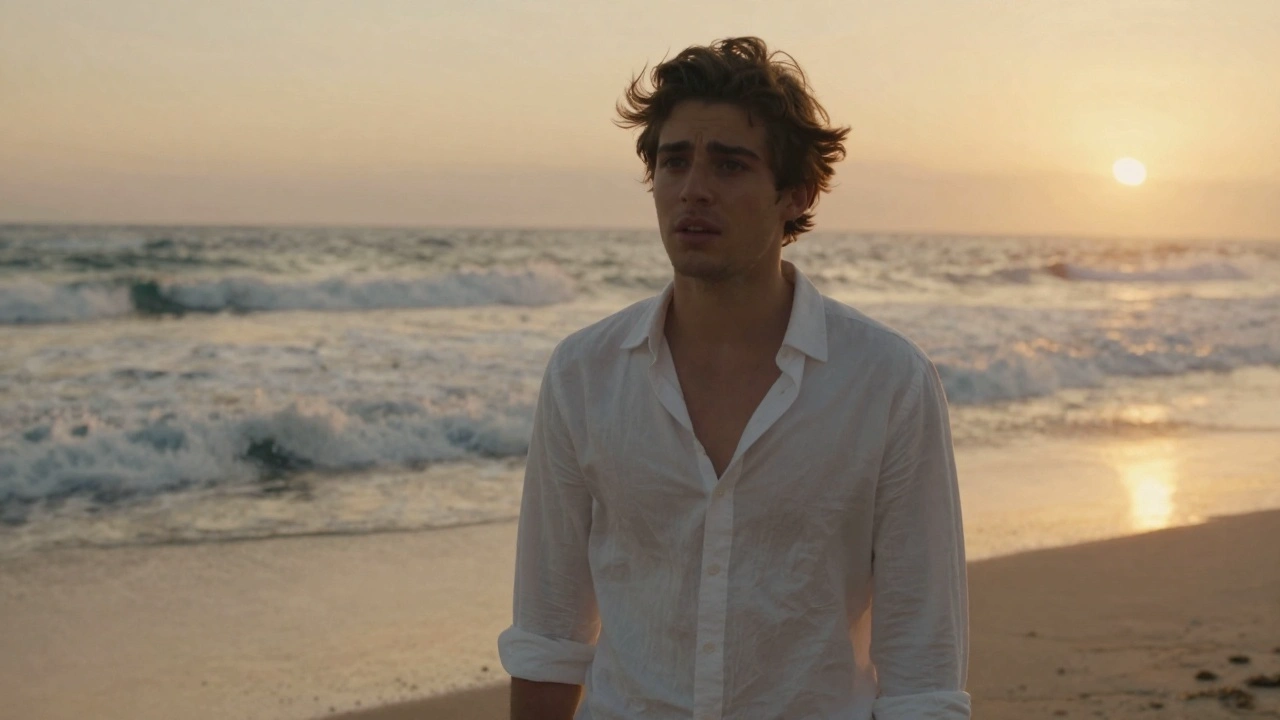



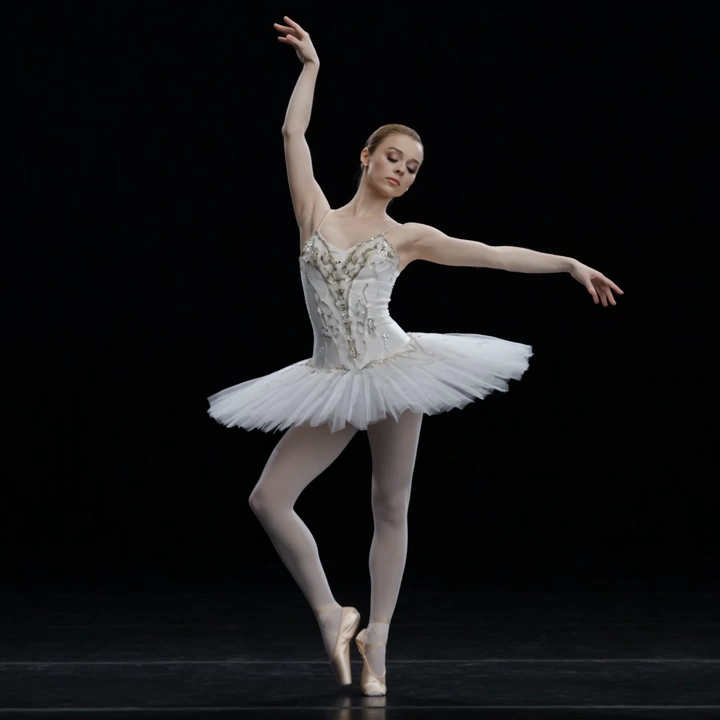
README
Grok Imagine Video Text-to-Video
Grok Imagine Video Text-to-Video is X-AI's text-to-video generation model that creates videos directly from text descriptions. Describe the scene, motion, and style you want — the model generates cinematic footage with realistic movement and atmosphere.
Why Choose This?
-
Pure text-driven generation Create videos from scratch using only text descriptions.
-
Flexible duration Generate videos of varying lengths based on your needs.
-
Multiple aspect ratios Support for 16:9, 9:16, and other common formats.
-
Resolution options Output in 480p or 720p based on your requirements.
-
Prompt Enhancer Built-in tool to automatically improve your video descriptions.
Parameters
| Parameter | Required | Description |
|---|---|---|
| prompt | Yes | Text description of the video scene and motion |
| duration | No | Video length in seconds (default: 6) |
| aspect_ratio | No | Output ratio: 16:9, 9:16, etc. |
| resolution | No | Output resolution: 720p (default), 480p |
How to Use
- Write your prompt — describe the scene, motion, camera movement, and atmosphere in detail.
- Set duration — choose how long the video should be.
- Select aspect ratio — 16:9 for landscape, 9:16 for vertical content.
- Select resolution — 720p for quality, 480p for faster processing.
- Run — submit and download your video.
Pricing
| Duration | Cost |
|---|---|
| Per second | $0.055 |
Billing Rules
- Total cost = $0.055 × duration (in seconds)
Examples
- 5s video → $0.275
- 6s video → $0.33
- 10s video → $0.55
Best Use Cases
- Social Media Content — Generate short-form videos for TikTok, Reels, and Stories.
- Concept Visualization — Bring ideas to life without filming or stock footage.
- Marketing & Ads — Create promotional video content from descriptions.
- Storytelling — Generate narrative scenes for creative projects.
- Rapid Prototyping — Test video concepts before full production.
Pro Tips
- Use the Prompt Enhancer to refine your descriptions automatically.
- Be specific about camera movement (handheld, dolly, pan, zoom) for dynamic footage.
- Describe lighting, weather, and atmosphere for more realistic results.
- Match aspect ratio to your target platform: 16:9 for YouTube, 9:16 for TikTok/Reels.
- Include action details and timing for more controlled motion.
Notes
- Only prompt is required; other parameters have defaults.
- Ensure uploaded URLs are publicly accessible if referencing external content.
- For best results, write detailed prompts with scene, motion, and style information.
Related Models
- Grok Imagine Video Image-to-Video — Generate video from reference images.
- Grok Imagine Video Edit — Edit existing videos with text instructions.
- Grok Imagine Image Text-to-Image — Generate images from text prompts.
Grok Imagine Video Text To Video API — Quick start
Grab a WaveSpeedAI API key, then call POST https://api.wavespeed.ai/api/v3/x-ai/grok-imagine-video/text-to-video with your input as JSON. The endpoint returns a prediction id. Start polling the result endpoint around every 2 seconds, increase the interval for long-running tasks, and stop on any terminal status. On completed, read output values from data.outputs. Examples for Grok Imagine Video Text To Video below.
HTTP example
set -euo pipefail

: "${WAVESPEED_API_KEY:?Set WAVESPEED_API_KEY}"

REQUEST_BODY=$(cat <<'JSON'
{
    "prompt": "A cinematic shot of a city at sunset, soft golden light",
    "duration": 6,
    "aspect_ratio": "16:9",
    "resolution": "720p"
}
JSON
)

# 1. Submit the prediction.
SUBMIT_RESPONSE=$(curl --silent --show-error --fail-with-body \
  -X POST "https://api.wavespeed.ai/api/v3/x-ai/grok-imagine-video/text-to-video" \
  -H "Content-Type: application/json" \
  -H "Authorization: Bearer $WAVESPEED_API_KEY" \
  -d "$REQUEST_BODY")

TASK=$(printf '%s' "$SUBMIT_RESPONSE" | jq 'if has("data") then .data else . end')
PREDICTION_ID=$(printf '%s' "$TASK" | jq -r '.id')
if [ -z "$PREDICTION_ID" ] || [ "$PREDICTION_ID" = "null" ]; then
  printf 'Submission response did not contain a prediction id
' >&2
  exit 1
fi
RESULT_URL=$(printf '%s' "$TASK" | jq -r '.urls.get // empty')
if [ -z "$RESULT_URL" ]; then
  RESULT_URL="https://api.wavespeed.ai/api/v3/predictions/$PREDICTION_ID/result"
fi

# 2. Poll until the prediction finishes.
while true; do
  RESPONSE=$(curl --silent --show-error --fail-with-body "$RESULT_URL" \
    -H "Authorization: Bearer $WAVESPEED_API_KEY")
  RESULT=$(printf '%s' "$RESPONSE" | jq 'if has("data") then .data else . end')
  STATUS=$(printf '%s' "$RESULT" | jq -r '.status')
  case "$STATUS" in
    completed) printf '%s\n' "$RESULT" | jq '.outputs'; break ;;
    failed|cancelled|timeout) printf '%s\n' "$RESULT" | jq . >&2; exit 1 ;;
    created|processing) sleep 2 ;;
    *) printf 'Unexpected status: %s
' "$STATUS" >&2; exit 1 ;;
  esac
done
Node.js example
const submitUrl = "https://api.wavespeed.ai/api/v3/x-ai/grok-imagine-video/text-to-video";
const apiKey = process.env.WAVESPEED_API_KEY;
if (!apiKey) throw new Error('Set WAVESPEED_API_KEY');

async function requestJson(url, options = {}) {
  const response = await fetch(url, options);
  if (!response.ok) throw new Error(await response.text());
  return response.json();
}

// 1. Submit the prediction.
const body = await requestJson(submitUrl, {
  method: "POST",
  headers: {
    "Authorization": `Bearer ${apiKey}`,
    "Content-Type": "application/json",
  },
  body: JSON.stringify({
        "prompt": "A cinematic shot of a city at sunset, soft golden light",
        "duration": 6,
        "aspect_ratio": "16:9",
        "resolution": "720p"
}),
});
const task = body.data ?? body;
if (!task.id) throw new Error("Submission response did not contain a prediction id");
const resultUrl = task.urls?.get ||
  `https://api.wavespeed.ai/api/v3/predictions/${task.id}/result`;

// 2. Poll until the prediction finishes.
while (true) {
  const resultBody = await requestJson(resultUrl, {
    headers: { "Authorization": `Bearer ${apiKey}` },
  });
  const result = resultBody.data ?? resultBody;
  if (result.status === "completed") {
    console.log(result.outputs);
    break;
  }
  if (["failed", "cancelled", "timeout"].includes(result.status)) throw new Error(JSON.stringify(result));
  if (!["created", "processing"].includes(result.status)) throw new Error("Unexpected status: " + result.status);
  await new Promise(resolve => setTimeout(resolve, 2000));
}
Python example
import json
import os
import time
from urllib.request import Request, urlopen

api_key = os.environ["WAVESPEED_API_KEY"]
headers = {"Authorization": f"Bearer {api_key}", "Content-Type": "application/json"}
payload = {
    "prompt": "A cinematic shot of a city at sunset, soft golden light",
    "duration": 6,
    "aspect_ratio": "16:9",
    "resolution": "720p"
}

def request_json(url, data=None):
    request = Request(url, data=data, headers=headers, method="POST" if data else "GET")
    with urlopen(request) as response:
        return json.load(response)

# 1. Submit the prediction.
body = request_json("https://api.wavespeed.ai/api/v3/x-ai/grok-imagine-video/text-to-video", json.dumps(payload).encode())
task = body.get("data", body)
if not task.get("id"):
    raise RuntimeError("Submission response did not contain a prediction id")
result_url = task.get("urls", {}).get("get") or f"https://api.wavespeed.ai/api/v3/predictions/{task['id']}/result"

# 2. Poll until the prediction finishes.
while True:
    result_body = request_json(result_url)
    result = result_body.get("data", result_body)
    status = result.get("status")
    if status == "completed":
        print(result.get("outputs", []))
        break
    if status in {"failed", "cancelled", "timeout"}:
        raise RuntimeError(result)
    if status not in {"created", "processing"}:
        raise RuntimeError(f"Unexpected status: {status}")
    time.sleep(2)
Grok Imagine Video Text To Video API — Frequently asked questions
What is the Grok Imagine Video Text To Video API?
Grok Imagine Video Text To Video is a xAI model for video generation, exposed as a REST API on WaveSpeedAI. X-AI Grok Imagine Video generates videos from text descriptions using xAI's Grok Imagine Video model. Create high-quality videos with customizable duration, aspect ratio, and resolution. Ready-to-use REST inference API, best performance, no coldstarts, affordable pricing. You can call it programmatically or try it from the playground above.
How do I call the Grok Imagine Video Text To Video API?
POST your input parameters to the model's REST endpoint (shown in the API tab of this playground) with your WaveSpeedAI API key in the Authorization header. Submission returns a prediction ID. Poll the result endpoint starting around every 2 seconds, increase the interval for long-running tasks, and stop on any terminal status. The playground generates production-oriented Python, JavaScript, and cURL examples with timeouts, transient-error handling, and safe GET retries. Full request/response shape is documented at https://wavespeed.ai/docs/docs-api/x-ai/x-ai-grok-imagine-video-text-to-video.
How much does Grok Imagine Video Text To Video cost per run?
Grok Imagine Video Text To Video starts at $0.050 per run. That figure is the base price — the final charge scales with the parameters you set in the form (output size, length, count, references, or whatever knobs this model exposes), so a higher-quality or larger output costs more than a minimal one. The exact cost for your current input is shown live next to the Generate button before you submit, and the actual per-call charge is recorded on the prediction afterwards.
What inputs does Grok Imagine Video Text To Video accept?
Key inputs: `prompt`, `aspect_ratio`, `resolution`, `duration`. The full JSON schema (types, defaults, allowed values) is rendered above the Generate button and mirrored in the API reference at https://wavespeed.ai/docs/docs-api/x-ai/x-ai-grok-imagine-video-text-to-video.
How do I get started with the Grok Imagine Video Text To Video API?
Sign up for a free WaveSpeedAI account to claim starter credits, copy your API key from /accesskey, then call the endpoint shown in the API tab of the playground. The playground also auto-generates a code sample in Python, JavaScript, or cURL for the parameters you've set.
Can I use Grok Imagine Video Text To Video outputs commercially?
Commercial usage rights depend on the model's license, set by its provider (xAI). The license summary appears on the model card above; see WaveSpeedAI's Terms of Service for platform-level conditions.