Pruna AI P-Image Edit LORA is a fast AI image editing model that edits and transforms images with LORA-based customization. Ready-to-use REST inference API for text-guided image editing, style changes, character consistency, product image updates, marketing assets, and custom AI editing workflows with simple integration, no coldstarts, and affordable pricing.
Idle

$0.01per run·~100 / $1
ExamplesView all
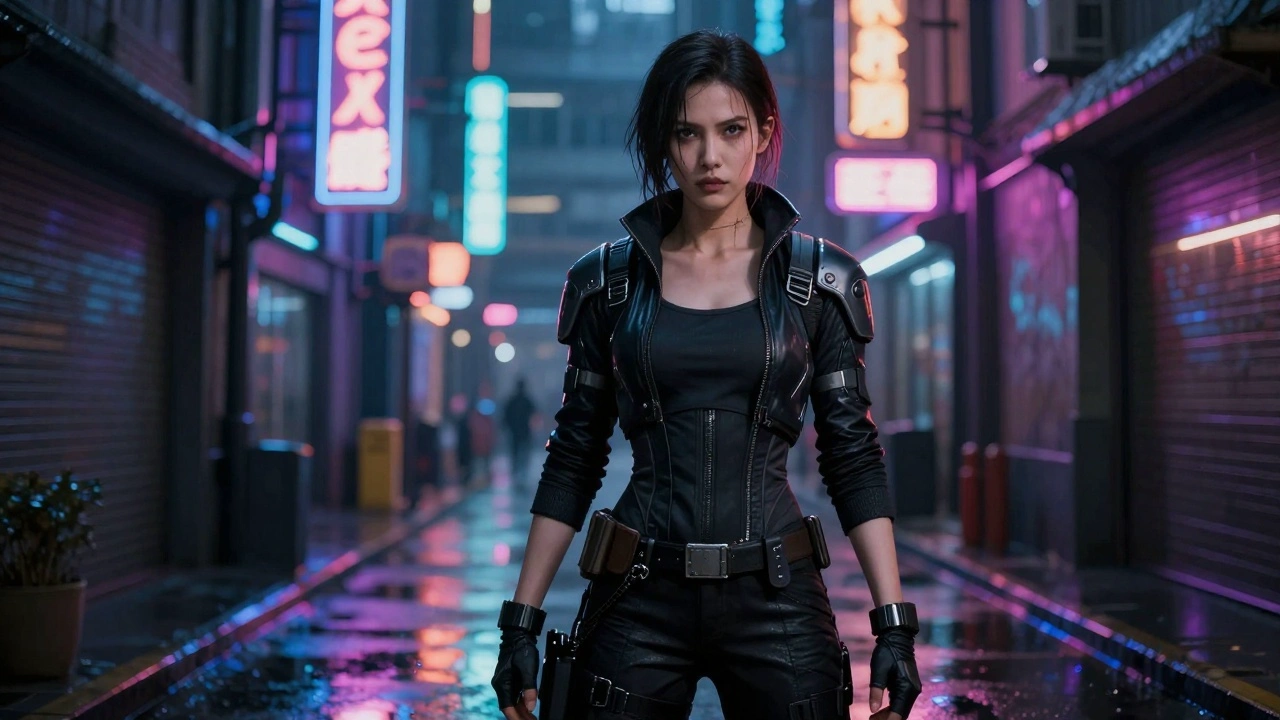
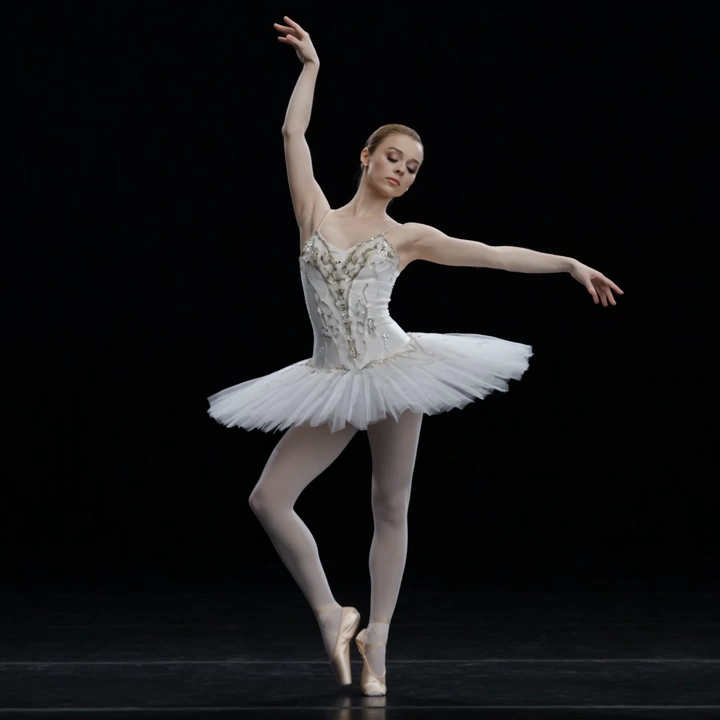
Make this scene look like the next scene style.
Related Models




README
Pruna AI P-Image Edit LoRA
Pruna AI P-Image Edit LoRA edits one or more input images using a natural-language instruction, with optional LoRA guidance for stronger style or edit control. It is designed for workflows where you want prompt-based image editing together with a LoRA trained specifically for the Pruna p-image-edit-lora pipeline.
Why Choose This?
-
LoRA-guided image editing Edit images with natural-language instructions while steering the result with a compatible LoRA.
-
Multi-image reference support Use one to five input images to guide appearance, structure, composition, or scene transformation.
-
Edit-specific LoRA control Apply
lora_weightsand tunelora_scalefor stronger stylistic or transformation control. -
Flexible aspect ratio handling Use
match_input_imageto follow the first input image by default, or select a preset aspect ratio when needed. -
Private LoRA support Use
hf_api_tokenwhen accessing a private or gated Hugging Face LoRA repository. -
Simple fixed pricing Each run uses a flat per-image price.
Parameters
| Parameter | Required | Description |
|---|---|---|
| prompt | Yes | Text instruction describing the desired edit. |
| images | Yes | One to five reference images used for the edit. When using multiple images, describe their roles clearly in the prompt. |
| lora_weights | No | Optional Hugging Face LoRA path, such as huggingface.co/PrunaAI/p-image-edit-next-scene-lora/weights.safetensors. The LoRA should be trained for p-image-edit-lora. |
| lora_scale | No | LoRA strength. Default: 0.5. Official range: -1 to 3. |
| hf_api_token | No | Optional Hugging Face token for private or gated LoRA repositories. |
| aspect_ratio | No | Output aspect ratio. Default: match_input_image, which follows the first input image. Other supported values: 1:1, 16:9, 9:16, 4:3, 3:4, 3:2, and 2:3. |
| output_format | No | Output image format: png, jpeg, or webp. |
| seed | No | Random seed. Use -1 for random generation. |
How to Use
- Upload your reference images — provide one to five images you want to use for the edit.
- Write your prompt — describe what should change and what should remain unchanged.
- Add a LoRA (optional) — provide
lora_weightsif you want LoRA-guided editing. - Adjust LoRA strength (optional) — set
lora_scaleto control how strongly the LoRA affects the result. - Choose aspect ratio — keep
match_input_imageto follow the first input image, or select a preset ratio if needed. - Add a Hugging Face token (optional) — use
hf_api_tokenif your LoRA is private or gated. - Choose output format — select
png,jpeg, orwebp. - Set a seed (optional) — use
-1for random output, or a fixed value for more reproducible edits. - Submit — run the model and download the edited image.
Example Prompt
Make this scene look like the next scene style.
Pricing
Just $0.01 per generated image.
Best Use Cases
- Scene-to-scene style transfer — Rework one scene to match the visual style of another.
- Character-consistent editing — Preserve identity while changing mood, styling, or composition.
- Reference-guided transformations — Use multiple images and a LoRA for tighter edit control.
- Creative adaptation — Turn existing images into new variants for storytelling, design, or campaign work.
- Edit-specific LoRA workflows — Apply LoRAs trained for editing rather than text-to-image generation.
Pro Tips
- Use a LoRA trained specifically for p-image-edit-lora for best compatibility.
- Text-to-image LoRAs should be used with p-image-lora, not this model.
- When using multiple images, explain each image’s role clearly in the prompt.
- Use
match_input_imagewhen you want to preserve the framing of the first input image. - Adjust
lora_scalegradually to balance prompt influence and LoRA influence. - If your LoRA is private or gated on Hugging Face, provide
hf_api_token. - Reuse the same
seedwhen you want more consistent edit iterations.
Notes
- Both
promptandimagesare required. imagessupports one to five input images.lora_weightsis optional.- LoRAs for this model should be trained for p-image-edit-lora.
- Text-to-image LoRAs should be used with p-image-lora instead.
aspect_ratiodefaults tomatch_input_image, which follows the first input image.seeduses-1for random generation.- The backend sends
turbo=falseand disables the safety checker by default in the internal mapping; these are not user-facing controls. - Pricing is fixed at $0.01 per generated image.
Related Models
- Pruna AI P-Image Text-to-Image — Generate images directly from prompts.
- Pruna AI P-Image Text-to-Image LoRA — Generate images from prompts with LoRA style control.
- Pruna AI P-Image Edit — Edit images with natural-language instructions without a LoRA.
- Pruna AI P-Image Upscale — Enhance and enlarge existing images.
P Image Edit Lora API — Quick start
Grab a WaveSpeedAI API key, then call POST https://api.wavespeed.ai/api/v3/pruna-ai/p-image/edit-lora with your input as JSON. The endpoint returns a prediction id. Start polling the result endpoint around every 2 seconds, increase the interval for long-running tasks, and stop on any terminal status. On completed, read output values from data.outputs. Examples for P Image Edit Lora below.
HTTP example
set -euo pipefail

: "${WAVESPEED_API_KEY:?Set WAVESPEED_API_KEY}"

REQUEST_BODY=$(cat <<'JSON'
{
    "prompt": "A cinematic shot of a city at sunset, soft golden light",
    "images": [
        "https://interactive-examples.mdn.mozilla.net/media/cc0-images/painted-hand-298-332.jpg"
    ],
    "lora_scale": 1,
    "aspect_ratio": "match_input_image",
    "output_format": "png",
    "seed": -1
}
JSON
)

# 1. Submit the prediction.
SUBMIT_RESPONSE=$(curl --silent --show-error --fail-with-body \
  -X POST "https://api.wavespeed.ai/api/v3/pruna-ai/p-image/edit-lora" \
  -H "Content-Type: application/json" \
  -H "Authorization: Bearer $WAVESPEED_API_KEY" \
  -d "$REQUEST_BODY")

TASK=$(printf '%s' "$SUBMIT_RESPONSE" | jq 'if has("data") then .data else . end')
PREDICTION_ID=$(printf '%s' "$TASK" | jq -r '.id')
if [ -z "$PREDICTION_ID" ] || [ "$PREDICTION_ID" = "null" ]; then
  printf 'Submission response did not contain a prediction id
' >&2
  exit 1
fi
RESULT_URL=$(printf '%s' "$TASK" | jq -r '.urls.get // empty')
if [ -z "$RESULT_URL" ]; then
  RESULT_URL="https://api.wavespeed.ai/api/v3/predictions/$PREDICTION_ID/result"
fi

# 2. Poll until the prediction finishes.
while true; do
  RESPONSE=$(curl --silent --show-error --fail-with-body "$RESULT_URL" \
    -H "Authorization: Bearer $WAVESPEED_API_KEY")
  RESULT=$(printf '%s' "$RESPONSE" | jq 'if has("data") then .data else . end')
  STATUS=$(printf '%s' "$RESULT" | jq -r '.status')
  case "$STATUS" in
    completed) printf '%s\n' "$RESULT" | jq '.outputs'; break ;;
    failed|cancelled|timeout) printf '%s\n' "$RESULT" | jq . >&2; exit 1 ;;
    created|processing) sleep 2 ;;
    *) printf 'Unexpected status: %s
' "$STATUS" >&2; exit 1 ;;
  esac
done
Node.js example
const submitUrl = "https://api.wavespeed.ai/api/v3/pruna-ai/p-image/edit-lora";
const apiKey = process.env.WAVESPEED_API_KEY;
if (!apiKey) throw new Error('Set WAVESPEED_API_KEY');

async function requestJson(url, options = {}) {
  const response = await fetch(url, options);
  if (!response.ok) throw new Error(await response.text());
  return response.json();
}

// 1. Submit the prediction.
const body = await requestJson(submitUrl, {
  method: "POST",
  headers: {
    "Authorization": `Bearer ${apiKey}`,
    "Content-Type": "application/json",
  },
  body: JSON.stringify({
        "prompt": "A cinematic shot of a city at sunset, soft golden light",
        "images": [
                "https://interactive-examples.mdn.mozilla.net/media/cc0-images/painted-hand-298-332.jpg"
        ],
        "lora_scale": 1,
        "aspect_ratio": "match_input_image",
        "output_format": "png",
        "seed": -1
}),
});
const task = body.data ?? body;
if (!task.id) throw new Error("Submission response did not contain a prediction id");
const resultUrl = task.urls?.get ||
  `https://api.wavespeed.ai/api/v3/predictions/${task.id}/result`;

// 2. Poll until the prediction finishes.
while (true) {
  const resultBody = await requestJson(resultUrl, {
    headers: { "Authorization": `Bearer ${apiKey}` },
  });
  const result = resultBody.data ?? resultBody;
  if (result.status === "completed") {
    console.log(result.outputs);
    break;
  }
  if (["failed", "cancelled", "timeout"].includes(result.status)) throw new Error(JSON.stringify(result));
  if (!["created", "processing"].includes(result.status)) throw new Error("Unexpected status: " + result.status);
  await new Promise(resolve => setTimeout(resolve, 2000));
}
Python example
import json
import os
import time
from urllib.request import Request, urlopen

api_key = os.environ["WAVESPEED_API_KEY"]
headers = {"Authorization": f"Bearer {api_key}", "Content-Type": "application/json"}
payload = {
    "prompt": "A cinematic shot of a city at sunset, soft golden light",
    "images": [
        "https://interactive-examples.mdn.mozilla.net/media/cc0-images/painted-hand-298-332.jpg"
    ],
    "lora_scale": 1,
    "aspect_ratio": "match_input_image",
    "output_format": "png",
    "seed": -1
}

def request_json(url, data=None):
    request = Request(url, data=data, headers=headers, method="POST" if data else "GET")
    with urlopen(request) as response:
        return json.load(response)

# 1. Submit the prediction.
body = request_json("https://api.wavespeed.ai/api/v3/pruna-ai/p-image/edit-lora", json.dumps(payload).encode())
task = body.get("data", body)
if not task.get("id"):
    raise RuntimeError("Submission response did not contain a prediction id")
result_url = task.get("urls", {}).get("get") or f"https://api.wavespeed.ai/api/v3/predictions/{task['id']}/result"

# 2. Poll until the prediction finishes.
while True:
    result_body = request_json(result_url)
    result = result_body.get("data", result_body)
    status = result.get("status")
    if status == "completed":
        print(result.get("outputs", []))
        break
    if status in {"failed", "cancelled", "timeout"}:
        raise RuntimeError(result)
    if status not in {"created", "processing"}:
        raise RuntimeError(f"Unexpected status: {status}")
    time.sleep(2)
P Image Edit Lora API — Frequently asked questions
What is the P Image Edit Lora API?
P Image Edit Lora is a Pruna Ai model for AI inference, exposed as a REST API on WaveSpeedAI. Pruna AI P-Image Edit LORA is a fast AI image editing model that edits and transforms images with LORA-based customization. Ready-to-use REST inference API for text-guided image editing, style changes, character consistency, product image updates, marketing assets, and custom AI editing workflows with simple integration, no coldstarts, and affordable pricing. You can call it programmatically or try it from the playground above.
How do I call the P Image Edit Lora API?
POST your input parameters to the model's REST endpoint (shown in the API tab of this playground) with your WaveSpeedAI API key in the Authorization header. Submission returns a prediction ID. Poll the result endpoint starting around every 2 seconds, increase the interval for long-running tasks, and stop on any terminal status. The playground generates production-oriented Python, JavaScript, and cURL examples with timeouts, transient-error handling, and safe GET retries. Full request/response shape is documented at https://wavespeed.ai/docs/docs-api/pruna-ai/pruna-ai-p-image-edit-lora.
How much does P Image Edit Lora cost per run?
P Image Edit Lora starts at $0.010 per run. That figure is the base price — the final charge scales with the parameters you set in the form (output size, length, count, references, or whatever knobs this model exposes), so a higher-quality or larger output costs more than a minimal one. The exact cost for your current input is shown live next to the Generate button before you submit, and the actual per-call charge is recorded on the prediction afterwards.
What inputs does P Image Edit Lora accept?
Key inputs: `prompt`, `images`, `aspect_ratio`, `seed`, `enable_base64_output`, `enable_sync_mode`. The full JSON schema (types, defaults, allowed values) is rendered above the Generate button and mirrored in the API reference at https://wavespeed.ai/docs/docs-api/pruna-ai/pruna-ai-p-image-edit-lora.
How do I get started with the P Image Edit Lora API?
Sign up for a free WaveSpeedAI account to claim starter credits, copy your API key from /accesskey, then call the endpoint shown in the API tab of the playground. The playground also auto-generates a code sample in Python, JavaScript, or cURL for the parameters you've set.
Can I use P Image Edit Lora outputs commercially?
Commercial usage rights depend on the model's license, set by its provider (Pruna Ai). The license summary appears on the model card above; see WaveSpeedAI's Terms of Service for platform-level conditions.