Google Nano Banana Pro (Gemini 3.0 Pro Image) Edit enables image editing with 4K-capable output. Ready-to-use REST inference API, best performance, no coldstarts, affordable pricing.
Idle

$0.14per run·~71 / $10
ExamplesView all
Make the hamburger made of glass.

Place the sofa from Figure 2 into Figure 1, and blend the light and shadows. The model merges these items into one cohesive interior scene, matching perspective, light direction, and color temperature automatically. For visual designers, this means realistic "in-context" images for furniture, décor, and home living categories — without 3D staging or studio photography.
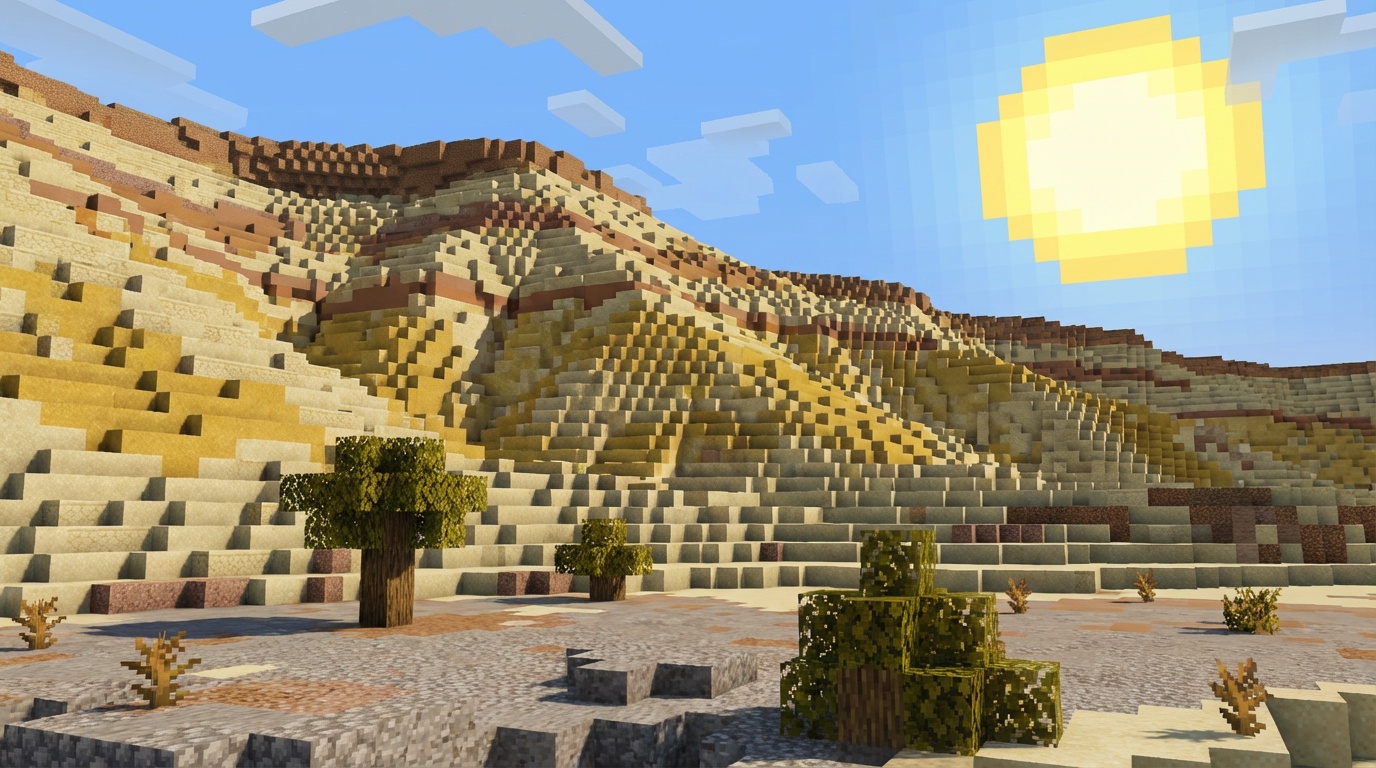
Turn the image into Minecraft style.

Turn ithis scene into nighttime.

Live action movie still, Japanese youth film style. A beautiful young woman in a collegiate outfit running through a campus gate, laughing. Dynamic motion, hair flying. Surrounded by falling pink cherry blossom petals. Soft sunlight, airy atmosphere, shallow depth of field, bokeh background of other students, Fujifilm color tone, realistic, sharp focus on eyes.

Translate the text in the image into Portuguese from brazil.
Related Models






README
Google Nano Banana Pro Edit
Nano Banana Pro Edit (Gemini 3.0 Pro Image) is Google’s advanced AI-powered image editing and generation model, designed to make visual transformation as intuitive as describing it in words. Built on Google’s cutting-edge computer vision and generative research, it combines precision, flexibility, and semantic awareness for professional-grade editing.
- Need higher resolution? Try Nano Banana Pro Edit Ultra
- Need text-to-image? Try Nano Banana Pro Text-to-Image
🌟 Why it stands out
-
Native 4K image generation Produce crisp, production-ready images with fine detail and clean edges.
-
Natural-language, context-aware editing Modify images using simple text instructions. The model understands scene structure, objects, and relationships for realistic edits.
-
Multilingual on-image text with auto translation Generate and edit text inside images in multiple languages, with improved font clarity and layout.
-
Camera-style controls Support for camera-related parameters such as angle, focus, depth of field, and color adjustment for more photographic results.
-
Aspect ratio flexibility Supports formats from 1:1 to 9:16 (and beyond, such as 4:3, 16:9, 21:9), suitable for feeds, stories, banners, and print concepts.
-
Consistent character and style rendering Maintain character identity, brand elements, and overall style across related images.
⚙️ How to use
-
Input: existing image + text prompt
-
Output: edited image (JPEG/PNG)
-
Size: 1:1, 4:3, 16:9, 21:9, and so on.
-
Supports style transfer, relighting, background replacement, and object modification
-
Works with natural prompts like:
-
“Replace the cloudy sky with a clear sunset.”
-
“Add soft studio lighting and a modern background.”
-
“Turn the model’s outfit into a formal business suit.”
💰 Pricing
| Resolution | Cost per image |
|---|---|
| 1k | $0.14 |
| 2k | $0.14 |
| 4k | $0.24 |
💡 Best Use Cases
- Marketing & Branding — Update campaign visuals without reshooting.
- Product Photography — Adjust materials, lighting, or layout instantly.
- Social Media & Content Creation — Generate multiple variations with minimal effort.
- Artistic Design — Experiment with colors, styles, and compositions effortlessly.
📝 Notes
Please ensure your prompts comply with Google’s Safety Guidelines. If an error occurs, review your prompt for restricted content, adjust it, and try again.
🌏 Where Nano Banana Pro Edit Fits In
Compare Nano Banana Pro Edit with:
-
FLUX.1 [dev] – Nano Banana Pro Edit focuses on semantic understanding and layout-aware editing via Gemini 3’s reasoning, making it ideal for complex, text-driven transformations without manual masking. FLUX.1 [dev] emphasizes maximum resolution control and fine detail preservation for highly technical workflows.
-
Gpt-Image-1 (OpenAI) – Nano Banana Pro Edit emphasizes layout control, multilingual on-image text, and tightly directed edits for design and marketing workflows, while openai/gpt-image-1 shines as a general-purpose creative generator with strong style variety and fast, natural-language image synthesis for broad consumer and developer use.
-
Original Nano Banana (Gemini 2.5 Flash Image) – Nano Banana Pro Edit trades pure speed for quality, delivering better reasoning, sharper text, improved character consistency, and richer camera controls at a higher unit cost. Original Nano Banana remains ideal for rapid, low-latency iterations and lightweight edits.
-
Seedream – Nano Banana Pro Edit is tuned for reliable typography, photo-real edits, and mixed media layouts, while SeeDream excels at fast, stylized T2I generation with strong anime and illustration aesthetics, making it a good choice for heavily stylized concept art.
-
Qwen Image 2509 – Nano Banana Pro Edit focuses on high-fidelity 4K outputs and multilingual on-image design control, whereas Qwen Image shines in open-source ecosystems and document-style rendering, offering flexible integration for developer-centric and research workflows.
Nano Banana Pro Edit API — Quick start
Grab a WaveSpeedAI API key, then call POST https://api.wavespeed.ai/api/v3/google/nano-banana-pro/edit with your input as JSON. The endpoint returns a prediction id. Start polling the result endpoint around every 2 seconds, increase the interval for long-running tasks, and stop on any terminal status. On completed, read output values from data.outputs. Examples for Nano Banana Pro Edit below.
HTTP example
set -euo pipefail

: "${WAVESPEED_API_KEY:?Set WAVESPEED_API_KEY}"

REQUEST_BODY=$(cat <<'JSON'
{
    "prompt": "A cinematic shot of a city at sunset, soft golden light",
    "images": [
        "https://interactive-examples.mdn.mozilla.net/media/cc0-images/painted-hand-298-332.jpg"
    ],
    "aspect_ratio": "1:1",
    "resolution": "1k",
    "output_format": "png"
}
JSON
)

# 1. Submit the prediction.
SUBMIT_RESPONSE=$(curl --silent --show-error --fail-with-body \
  -X POST "https://api.wavespeed.ai/api/v3/google/nano-banana-pro/edit" \
  -H "Content-Type: application/json" \
  -H "Authorization: Bearer $WAVESPEED_API_KEY" \
  -d "$REQUEST_BODY")

TASK=$(printf '%s' "$SUBMIT_RESPONSE" | jq 'if has("data") then .data else . end')
PREDICTION_ID=$(printf '%s' "$TASK" | jq -r '.id')
if [ -z "$PREDICTION_ID" ] || [ "$PREDICTION_ID" = "null" ]; then
  printf 'Submission response did not contain a prediction id
' >&2
  exit 1
fi
RESULT_URL=$(printf '%s' "$TASK" | jq -r '.urls.get // empty')
if [ -z "$RESULT_URL" ]; then
  RESULT_URL="https://api.wavespeed.ai/api/v3/predictions/$PREDICTION_ID/result"
fi

# 2. Poll until the prediction finishes.
while true; do
  RESPONSE=$(curl --silent --show-error --fail-with-body "$RESULT_URL" \
    -H "Authorization: Bearer $WAVESPEED_API_KEY")
  RESULT=$(printf '%s' "$RESPONSE" | jq 'if has("data") then .data else . end')
  STATUS=$(printf '%s' "$RESULT" | jq -r '.status')
  case "$STATUS" in
    completed) printf '%s\n' "$RESULT" | jq '.outputs'; break ;;
    failed|cancelled|timeout) printf '%s\n' "$RESULT" | jq . >&2; exit 1 ;;
    created|processing) sleep 2 ;;
    *) printf 'Unexpected status: %s
' "$STATUS" >&2; exit 1 ;;
  esac
done
Node.js example
const submitUrl = "https://api.wavespeed.ai/api/v3/google/nano-banana-pro/edit";
const apiKey = process.env.WAVESPEED_API_KEY;
if (!apiKey) throw new Error('Set WAVESPEED_API_KEY');

async function requestJson(url, options = {}) {
  const response = await fetch(url, options);
  if (!response.ok) throw new Error(await response.text());
  return response.json();
}

// 1. Submit the prediction.
const body = await requestJson(submitUrl, {
  method: "POST",
  headers: {
    "Authorization": `Bearer ${apiKey}`,
    "Content-Type": "application/json",
  },
  body: JSON.stringify({
        "prompt": "A cinematic shot of a city at sunset, soft golden light",
        "images": [
                "https://interactive-examples.mdn.mozilla.net/media/cc0-images/painted-hand-298-332.jpg"
        ],
        "aspect_ratio": "1:1",
        "resolution": "1k",
        "output_format": "png"
}),
});
const task = body.data ?? body;
if (!task.id) throw new Error("Submission response did not contain a prediction id");
const resultUrl = task.urls?.get ||
  `https://api.wavespeed.ai/api/v3/predictions/${task.id}/result`;

// 2. Poll until the prediction finishes.
while (true) {
  const resultBody = await requestJson(resultUrl, {
    headers: { "Authorization": `Bearer ${apiKey}` },
  });
  const result = resultBody.data ?? resultBody;
  if (result.status === "completed") {
    console.log(result.outputs);
    break;
  }
  if (["failed", "cancelled", "timeout"].includes(result.status)) throw new Error(JSON.stringify(result));
  if (!["created", "processing"].includes(result.status)) throw new Error("Unexpected status: " + result.status);
  await new Promise(resolve => setTimeout(resolve, 2000));
}
Python example
import json
import os
import time
from urllib.request import Request, urlopen

api_key = os.environ["WAVESPEED_API_KEY"]
headers = {"Authorization": f"Bearer {api_key}", "Content-Type": "application/json"}
payload = {
    "prompt": "A cinematic shot of a city at sunset, soft golden light",
    "images": [
        "https://interactive-examples.mdn.mozilla.net/media/cc0-images/painted-hand-298-332.jpg"
    ],
    "aspect_ratio": "1:1",
    "resolution": "1k",
    "output_format": "png"
}

def request_json(url, data=None):
    request = Request(url, data=data, headers=headers, method="POST" if data else "GET")
    with urlopen(request) as response:
        return json.load(response)

# 1. Submit the prediction.
body = request_json("https://api.wavespeed.ai/api/v3/google/nano-banana-pro/edit", json.dumps(payload).encode())
task = body.get("data", body)
if not task.get("id"):
    raise RuntimeError("Submission response did not contain a prediction id")
result_url = task.get("urls", {}).get("get") or f"https://api.wavespeed.ai/api/v3/predictions/{task['id']}/result"

# 2. Poll until the prediction finishes.
while True:
    result_body = request_json(result_url)
    result = result_body.get("data", result_body)
    status = result.get("status")
    if status == "completed":
        print(result.get("outputs", []))
        break
    if status in {"failed", "cancelled", "timeout"}:
        raise RuntimeError(result)
    if status not in {"created", "processing"}:
        raise RuntimeError(f"Unexpected status: {status}")
    time.sleep(2)
Nano Banana Pro Edit API — Frequently asked questions
What is the Nano Banana Pro Edit API?
Nano Banana Pro Edit is a Google model for image editing, exposed as a REST API on WaveSpeedAI. Google Nano Banana Pro (Gemini 3.0 Pro Image) Edit enables image editing with 4K-capable output. Ready-to-use REST inference API, best performance, no coldstarts, affordable pricing. You can call it programmatically or try it from the playground above.
How do I call the Nano Banana Pro Edit API?
POST your input parameters to the model's REST endpoint (shown in the API tab of this playground) with your WaveSpeedAI API key in the Authorization header. Submission returns a prediction ID. Poll the result endpoint starting around every 2 seconds, increase the interval for long-running tasks, and stop on any terminal status. The playground generates production-oriented Python, JavaScript, and cURL examples with timeouts, transient-error handling, and safe GET retries. Full request/response shape is documented at https://wavespeed.ai/docs/docs-api/google/google-nano-banana-pro-edit.
How much does Nano Banana Pro Edit cost per run?
Nano Banana Pro Edit starts at $0.14 per run. That figure is the base price — the final charge scales with the parameters you set in the form (output size, length, count, references, or whatever knobs this model exposes), so a higher-quality or larger output costs more than a minimal one. The exact cost for your current input is shown live next to the Generate button before you submit, and the actual per-call charge is recorded on the prediction afterwards.
What inputs does Nano Banana Pro Edit accept?
Key inputs: `prompt`, `images`, `aspect_ratio`, `resolution`, `enable_base64_output`, `enable_sync_mode`. The full JSON schema (types, defaults, allowed values) is rendered above the Generate button and mirrored in the API reference at https://wavespeed.ai/docs/docs-api/google/google-nano-banana-pro-edit.
How do I get started with the Nano Banana Pro Edit API?
Sign up for a free WaveSpeedAI account to claim starter credits, copy your API key from /accesskey, then call the endpoint shown in the API tab of the playground. The playground also auto-generates a code sample in Python, JavaScript, or cURL for the parameters you've set.
Can I use Nano Banana Pro Edit outputs commercially?
Commercial usage rights depend on the model's license, set by its provider (Google). The license summary appears on the model card above; see WaveSpeedAI's Terms of Service for platform-level conditions.